Balayage vs Highlights: Which Is Right for You?
What Is Balayage?
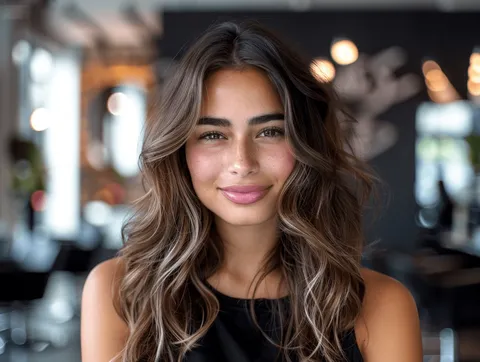
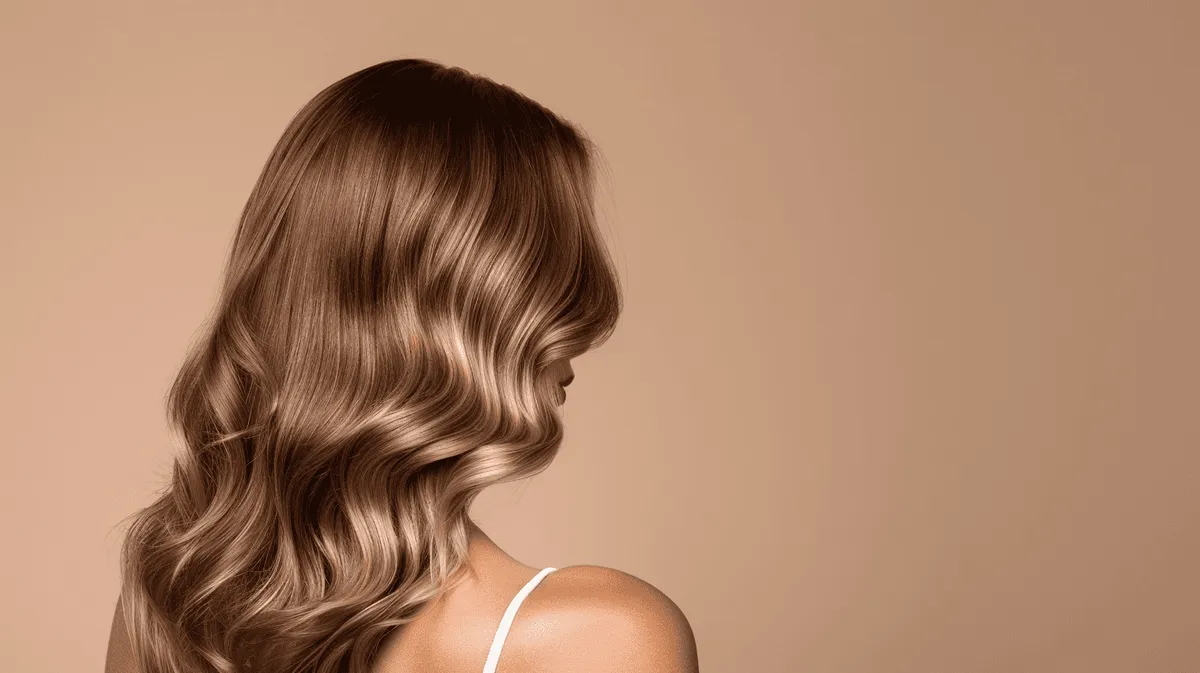
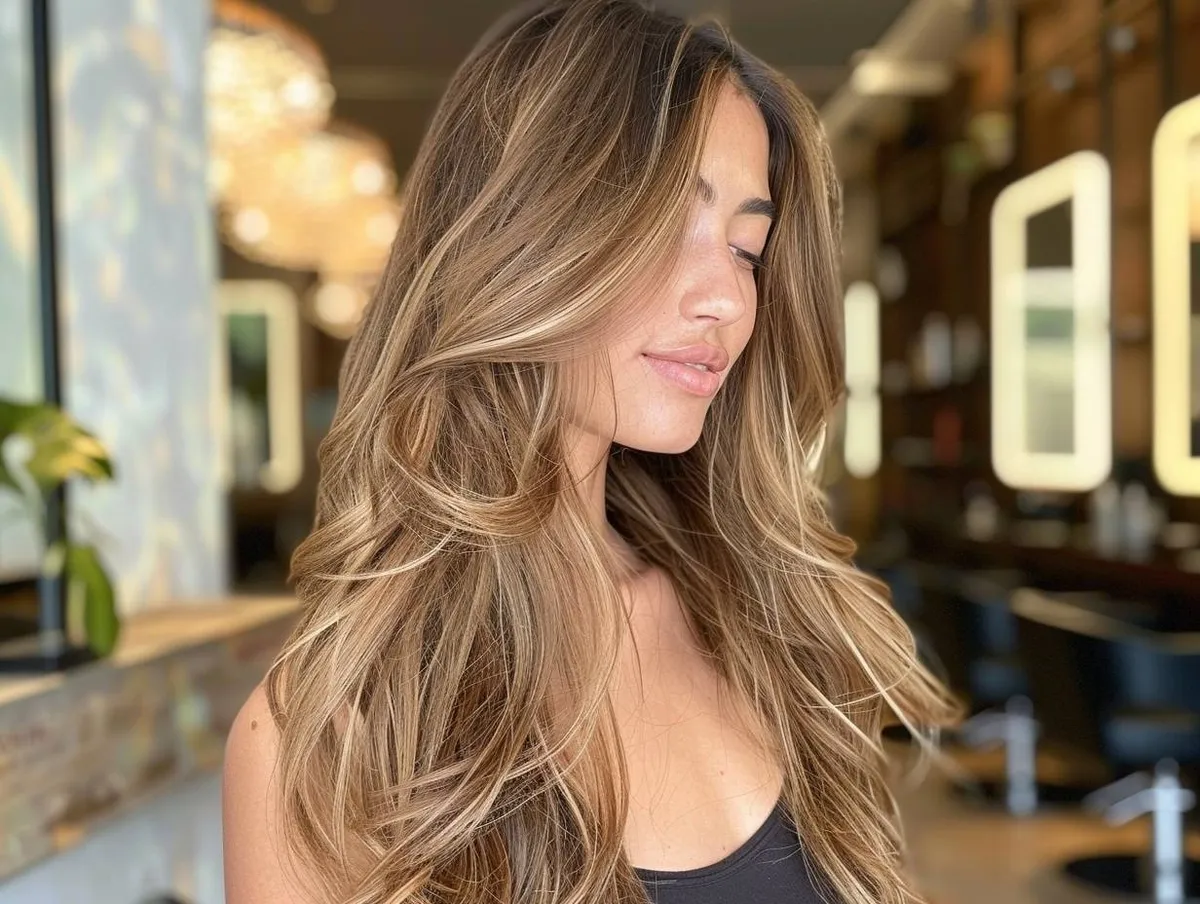
Balayage (pronounced bal-ee-ahj) is a French word meaning "to sweep" or "to paint". In hair colour terms, it is a freehand technique where the colourist sweeps lightener or dye onto sections of your hair, typically focusing on the mid-lengths and ends, with softer placement around the face for a sun-kissed effect.
Unlike traditional highlights that use foils and uniform sectioning, balayage is applied by eye, allowing the colourist to place colour exactly where it will look most flattering on your individual face shape and hair texture. The result is a natural, graduated, sun-kissed look that grows out seamlessly without a harsh root line.
Whether you have brown hair and want caramel dimension, or you are looking for blonde brightness, balayage is a versatile option that works across a wide range of base colours and hair types.
How Does the Balayage Technique Work?
The balayage process is all about freehand artistry. Here is how it works:
- No foils: Unlike traditional highlighting, balayage does not use foils or caps. The colour is painted directly onto the hair surface.
- Customised placement: Your colourist assesses your face shape, hair texture, and colour goals to determine the best placement for lightened sections.
- Surface-level application: Colour is concentrated on the outer layers of hair, creating a soft, diffused effect that looks natural from every angle.
- Graduated intensity: The colour is typically heavier at the mid-lengths and ends, with a softer, more subtle application near the roots for a seamless grow-out.
- Versatile for all hair types: Balayage works on straight, wavy, curly, and coily hair. The technique can be adapted to enhance any natural texture.
The key advantage of balayage is its low-maintenance grow-out. Because there is no hard demarcation line between your natural colour and the lightened sections, you can go much longer between appointments compared to traditional highlights.
Benefits of Balayage
- Natural-looking results: The hand-painted technique creates soft, organic-looking dimension that mimics how hair naturally lightens in the sun.
- Low-maintenance: Because the colour grows out gradually, you can go 3–6 months between refresh appointments.
- Versatile: Works on virtually any hair colour and texture, from fine straight hair to thick curly coils.
- Longevity: Balayage grows out gracefully. Even as your natural roots come in, the transition looks intentional and polished.
- Saves time and money: Fewer touch-up appointments means less time in the salon and lower overall maintenance costs.
Drawbacks of Balayage
- Time-consuming for dark hair: If you have very dark hair and want a significant lift, balayage may require longer processing time or multiple sessions.
- May not lift as light as foils: Because balayage is applied to the surface without the enclosed processing of foils, it may not achieve the same level of lift as traditional foil highlights.
- Requires a skilled stylist: Balayage is an art form. The quality of results depends heavily on your colourist's skill and experience.
- Can need more touch-ups for a seamless look: If you want a consistently polished appearance, you may need more frequent toning appointments to keep brassiness at bay.
Types of Balayage Techniques
Balayage is not a one-size-fits-all technique. There are several variations depending on your goals:
- Full head balayage: Colour is applied throughout the entire head for maximum dimension and brightness. This is the most comprehensive option.
- Half head balayage: Colour is concentrated on the top and face-framing sections. This is a great option if you wear your hair up often or want a more subtle refresh.
- Subtle lift for brown hair: For brunettes who want warmth and dimension without going fully blonde, a subtle balayage with caramel or honey tones adds richness without a dramatic change.
- Balayage highlights (foilyage): A hybrid technique where balayage is applied inside foils for extra lift and processing power. This gives you the soft placement of balayage with the lightening power of foils.
What Are Highlights?
Highlights are lighter shades applied to selected sections of your hair, typically from root to end, using foils to separate the treated sections from the rest of your hair. The result is a more defined, structured look compared to the soft, diffused effect of balayage.
Highlights add depth, dimension, and brightness to your hair. They are highly customisable — you can choose the shade, thickness, and placement of each highlighted section to create anything from subtle sun-kissed strands to bold, chunky streaks.
How Does the Highlighting Technique Work?
Traditional highlighting follows a more structured process than balayage:
- Sectioning: Your hair is divided into precise sections for even, controlled application.
- Foil placement: Strands are selected from each section, lightener or colour is applied, and the strands are wrapped in foil to isolate them from the rest of your hair.
- Controlled processing: The foil traps heat, allowing the colour to process more quickly and achieve a higher level of lift than open-air techniques.
- Rinse and tone: After processing, the foils are removed, the colour is rinsed, and toner is applied to neutralise unwanted warmth and achieve your desired shade.
The use of foils gives highlights their characteristic precision and intensity. You get a more structured, defined result — which is great if you want noticeable brightness and contrast.
Benefits of Highlights
- Versatile: Highlights can be applied to any hair colour, from blonde to brunette to black.
- Customisable by hair colour and skin tone: Your colourist can select tones that complement your natural colouring.
- Lower-maintenance than all-over colour: While highlights need more frequent touch-ups than balayage, they are still lower maintenance than dyeing your entire head.
- Blends with natural growth: Well-placed highlights can blend seamlessly as your hair grows.
Drawbacks of Highlights
- Frequent touch-ups: Highlights typically need refreshing every 6–8 weeks as your natural root colour grows in.
- Streaky appearance vs balayage: If not applied carefully, highlights can look streaky or striped.
- Potential damage from bleach: The enclosed processing of foils can be more damaging to the hair shaft.
- Harsher contrast: Highlights create a more defined contrast between lightened and natural sections.
Types of Highlighting Techniques
- Traditional foil highlights: The classic method using foils to isolate and lighten selected sections.
- Balayage highlights: A hybrid approach where the colourist hand-paints highlights for a sun-kissed effect.
- Babylights: Very fine, delicate highlights placed throughout the hair.
- Partial highlights (half head): Highlights concentrated on the top and face-framing sections only.
- Full head highlights: Highlights applied throughout the entire head for maximum brightness.
Key Differences Between Balayage and Highlights
- Application technique: Balayage is freehand-painted; highlights use foils for precise, isolated application.
- Maintenance frequency: Balayage needs refreshes every 3–6 months; highlights typically need touch-ups every 6–8 weeks.
- Root regrowth visibility: Balayage grows out softly with no harsh line. Highlights create a visible demarcation.
- Result look: Balayage gives a soft, natural, sun-kissed effect. Highlights deliver a more defined, structured brightness.
- Lift potential: Foil highlights can achieve higher lift levels because the enclosed processing traps heat.
Which Hair Colour Technique Suits Your Hair Type and Lifestyle?
Choose balayage if:
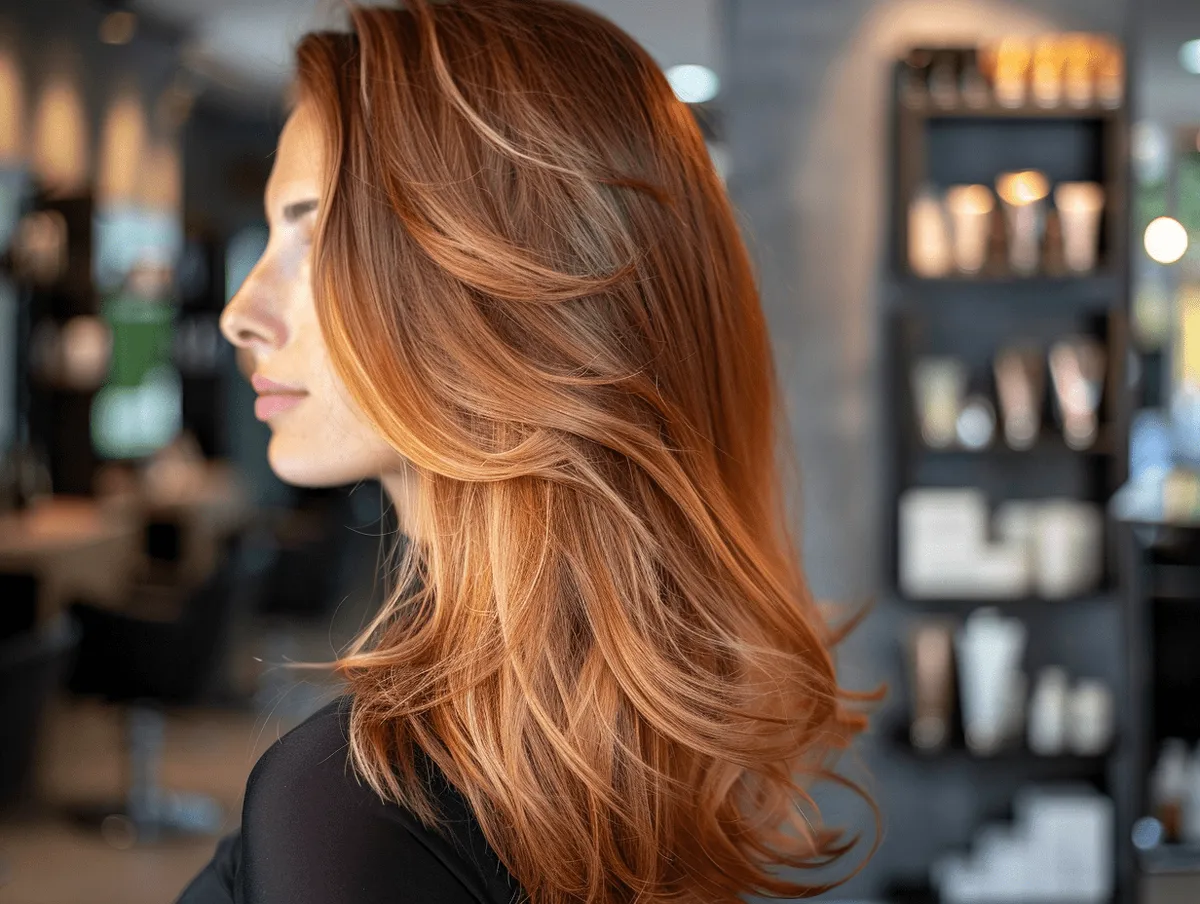
- You want a natural, sun-kissed look with soft dimension
- You prefer low-maintenance colour that grows out gracefully
- You have dark hair and want subtle caramel or honey warmth
- You do not want to commit to frequent salon appointments
- You are trying colour for the first time and want something subtle
Choose highlights if:
- You want a more defined, structured brightness
- You like the look of noticeable contrast between lightened and natural sections
- You are happy to commit to touch-ups every 6–8 weeks
- You want the maximum possible lift in a single session
- You have fine hair and want the added dimension that highlights provide
Cost Comparison: Balayage vs Highlights
In general, balayage tends to be more expensive per appointment than traditional highlights. This is because balayage requires a highly skilled colourist and typically takes longer to apply. However, because balayage needs fewer touch-ups, the overall annual cost may be lower.
- Full head balayage: Typically the most expensive single appointment.
- Half head balayage: More affordable than full head.
- Full head highlights: Generally less expensive per session than full head balayage, but more frequent appointments increase the annual cost.
- Half head highlights: The most budget-friendly option.
- Dark hair transformations: Going from dark to light costs more regardless of technique.
For detailed pricing, visit our hair salon price list.
Maintenance & Longevity: What to Expect
Balayage maintenance:
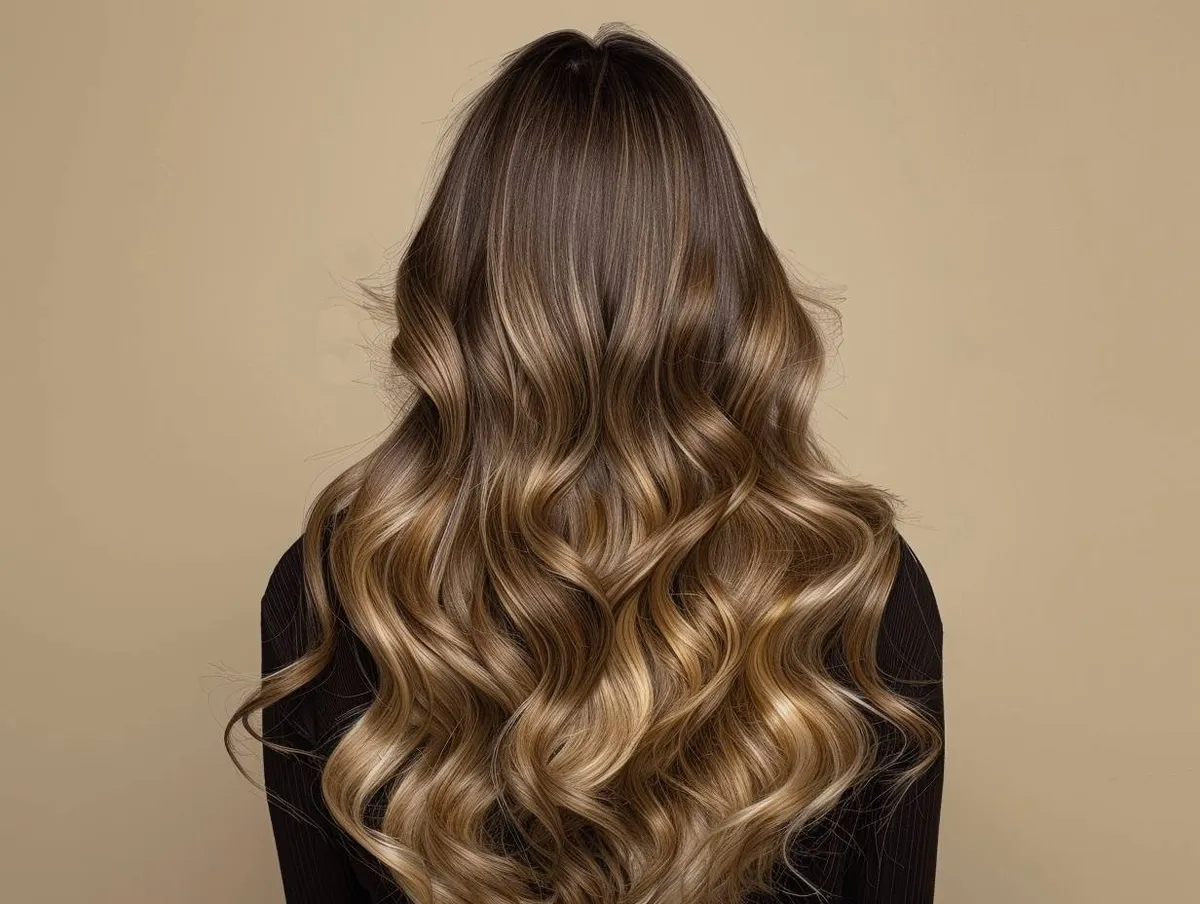
- Refresh every 3–6 months — the soft grow-out means you can go longer between appointments
- Less noticeable regrowth — no harsh root line means your colour still looks good as it grows out
- Babylights or subtle balayage can extend the interval between full refreshes
- Toning every 8–12 weeks keeps the colour brass-free and polished
Highlights maintenance:
- Touch-ups every 6–8 weeks as natural root growth becomes visible
- More structured grow-out — the contrast between lightened and natural sections becomes more apparent over time
- Regular toning appointments help maintain the desired shade and prevent brassiness
- Using colour-safe, sulphate-free products extends the life of your highlights

How to Choose: A Stylist's Perspective
When you sit in the chair at Image London, your stylist will assess several factors before recommending balayage or highlights:
- Hair texture: Fine hair often benefits from balayage for added dimension without weight. Thick hair can handle the full impact of either technique.
- Skin tone: Your colourist will choose tones that complement your natural colouring — warm golden tones for warm skin, cool ash tones for cool skin.
- Maintenance preferences: If you want low-maintenance colour, balayage is usually the recommendation.
- Hair history: Previous colour, chemical treatments, and overall hair condition influence which technique will give the best result.
Fine hair recommendation: Balayage for soft, natural dimension. Dramatic contrast preference: Full highlights for bold brightness. Your stylist will always tailor the recommendation to your specific hair and lifestyle. Book a balayage consultation in South London to discuss which approach suits your hair type and goals.
Can You Combine Balayage and Highlights?
Yes — and the combination is stunning. Many clients at Image London request a hybrid approach that gives them the best of both techniques:
- Balayage placement with highlight-level lift: Hand-painted colour inside foils for maximum brightness with soft, natural placement.
- Balayage throughout with highlights at the ends: Soft dimension through the mid-lengths, with brighter, more defined ends.
- Face-framing highlights with balayage through the rest: Brighter pieces around the face for a flattering glow.
- Custom combinations: Your colourist can design a bespoke colour plan tailored to your hair type, colour history, and desired outcome.
What to Ask Your Hairdresser Before Choosing
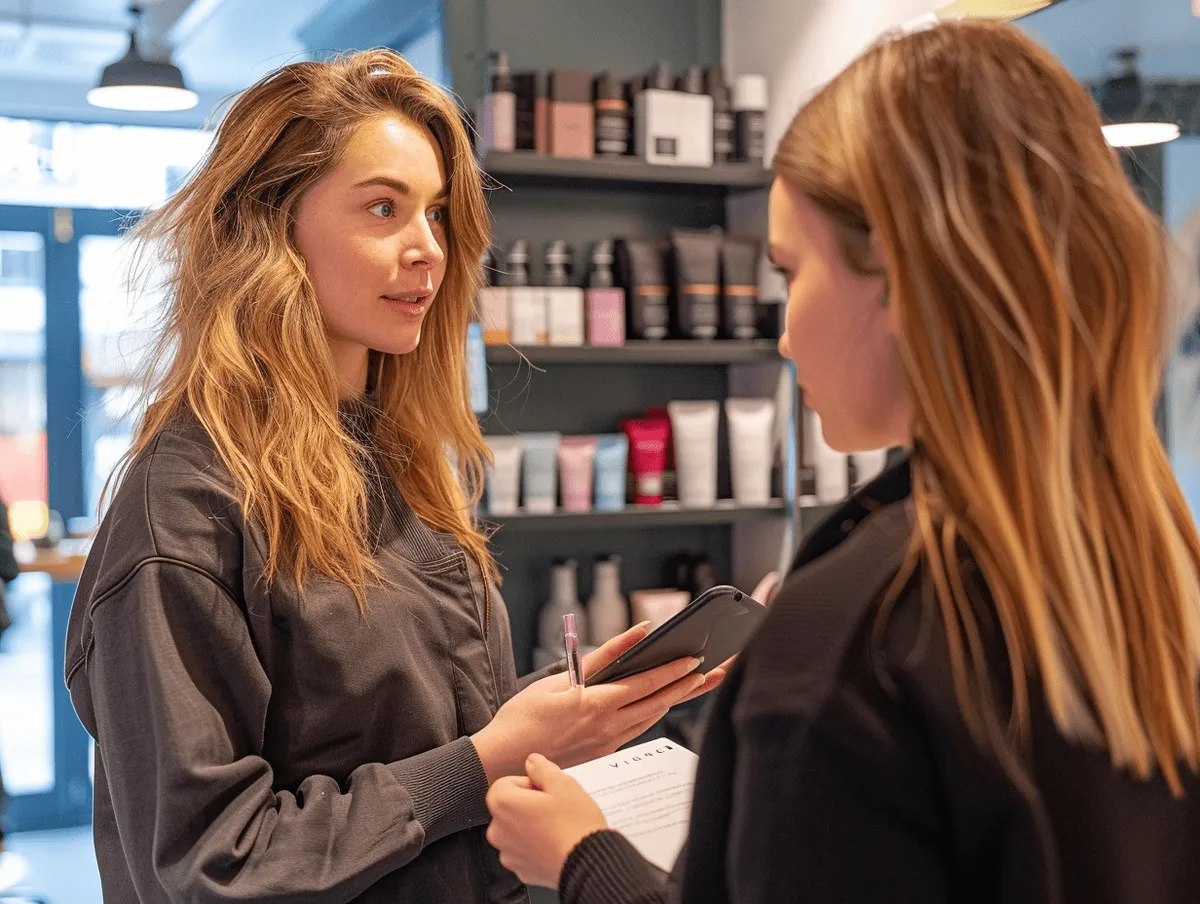
Before committing to balayage or highlights, here are some questions to ask your hairdresser:
- Which technique suits my hair type and colour goals?
- How many sessions will I need? Going from dark to light may require multiple appointments.
- What maintenance schedule should I expect?
- Will I need toner? Toner is almost always recommended after lightening.
- What home care products do you recommend?
- Can I see photos of similar results?
At Image London, we always offer a free consultation before colour services so we can discuss your goals, assess your hair, and give you an honest recommendation.
Final Thoughts: Balayage or Highlights?
Both balayage and highlights are excellent hair colour techniques — they just deliver different results. Balayage gives you a soft, natural, sun-kissed look with low-maintenance grow-out. Highlights deliver a more defined, structured brightness with regular touch-ups.
The right choice depends on your personal style, your hair type, and how much maintenance you are comfortable with. There is no wrong answer — just the answer that is right for you.
If you are still unsure, book a free consultation at Image London and let our colourists guide you to the perfect choice for your hair.
Conclusion
In the grand debate of balayage vs highlights, it all comes down to personal preference and what suits your hair type best. Balayage offers a natural, low-maintenance option that grows out beautifully. Highlights provide a more defined, structured look with regular upkeep.
Whichever you choose, the most important factor is working with a skilled colourist who understands your hair and can deliver the results you want. At Image London, our team of experienced colour technicians specialises in both balayage and highlights, so you can trust you are in good hands.
Discover Your Signature Colour Style
Still not sure whether balayage or highlights is right for you? Book a free consultation with our expert colourists and let us help you find your perfect look.
Book Now